
Empowering Women Entrepreneurs in India's Small Towns
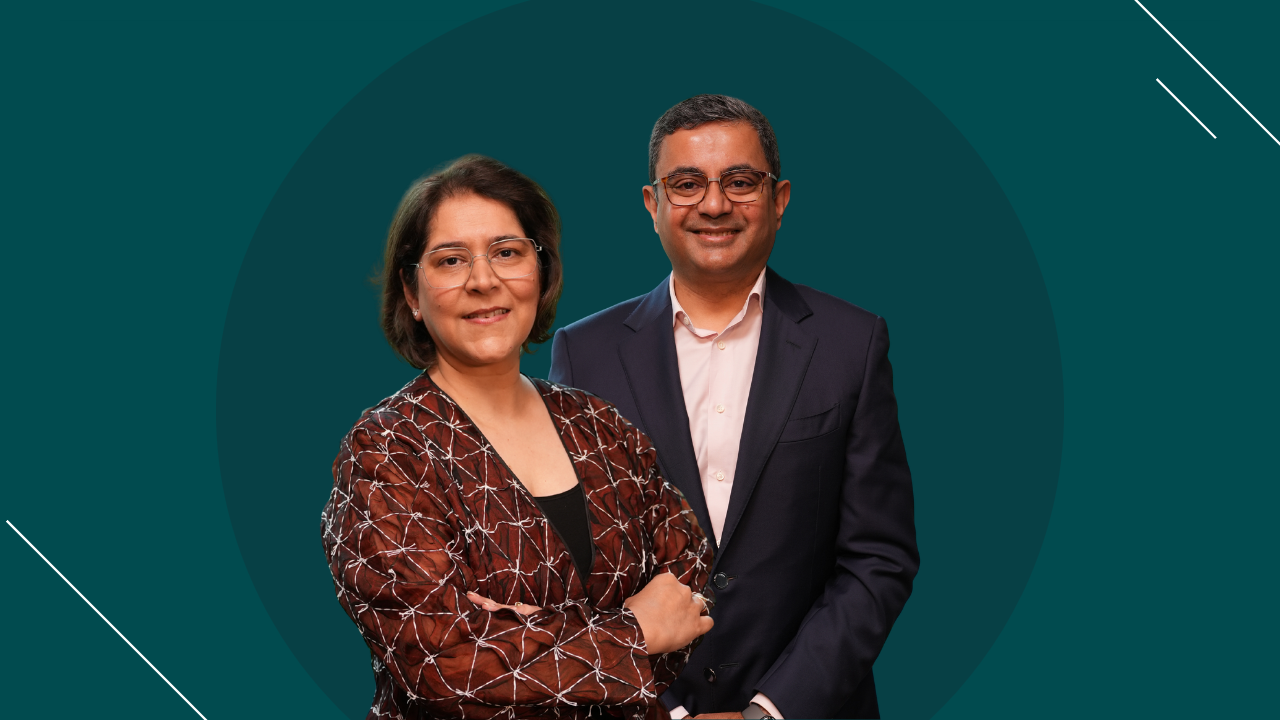
Ms. Shaifalika Panda, Bansidhar & Ila Panda Foundation, on why celebrating women leaders isn't the same as building them.



Key takeaways:
- Recognition isn't the finish line — Ms. Shaifalika Panda argues that India's conversation about women leaders needs to move past applause and toward the practical work of building capability.
- Capital, capability, and ecosystem — the framework she returns to treats access to funding as necessary but insufficient without training and the surrounding support system to use it well.
- Small towns hold the real growth story — Ms. Shaifalika points to women in smaller towns, who sustain households and local economies with little visibility, as the population India's development narrative most often overlooks. She says, “You can't slot empowerment; for somebody it's education, for somebody it's financial, for somebody it's just having agency and that voice in the house”.
Philanthropy conversations about women's empowerment often stop at celebration - award ceremonies, panels, feature stories. Ms. Shaifalika Panda, CEO of the Bansidhar and Ila Panda Foundation, pushes past that in her work and public commentary, arguing that India has to move from recognising women leaders to actively building them, “It’s not about talking about them, it’s about talking to them, walking with them”, she says.
Her framework is specific: grassroots women entrepreneurs need access to capital, capability, and the right ecosystem together, not any one in isolation. Money without training doesn't translate into a sustainable business; training without capital or market access doesn't scale past a single household. Mr. Panda says, “If you take a shortcut to success, it can be exhilarating, but sooner rather than later, you’re bound to trip.” It's the same instinct that shapes BIPF's broader community work in Odisha - building the surrounding conditions for change to hold, rather than delivering a single input and calling it done.
The population she keeps returning to is easy to overlook in national conversations about growth: women in smaller towns, who quietly sustain households and local economies without much visibility or credit. Bringing them to the centre of India's growth story, in her framing, isn't a matter of charity - it's a matter of the country's development math not adding up without them. Mr. Panda when speaking of what this might take says, “Nobody wants to be not doing well, its circumstances that put them in this position, so providing them the right tools and exposure to help them requires patience on their part, on our part, and anybody who’s working with them.”
It's a useful corrective to how "women in leadership" often gets discussed in philanthropy circles: less about showcasing exceptional individuals, and more about building the infrastructure that lets far larger numbers of ordinary women lead in their own communities.