
Beyond Optics: What Real Philanthropic Impact Looks Like in Odisha
Ms. Shaifalika Panda and Mr. Subhrakant Panda of the Bansidhar & Ila Panda Foundation on why "how much is enough" is the wrong question to start with.
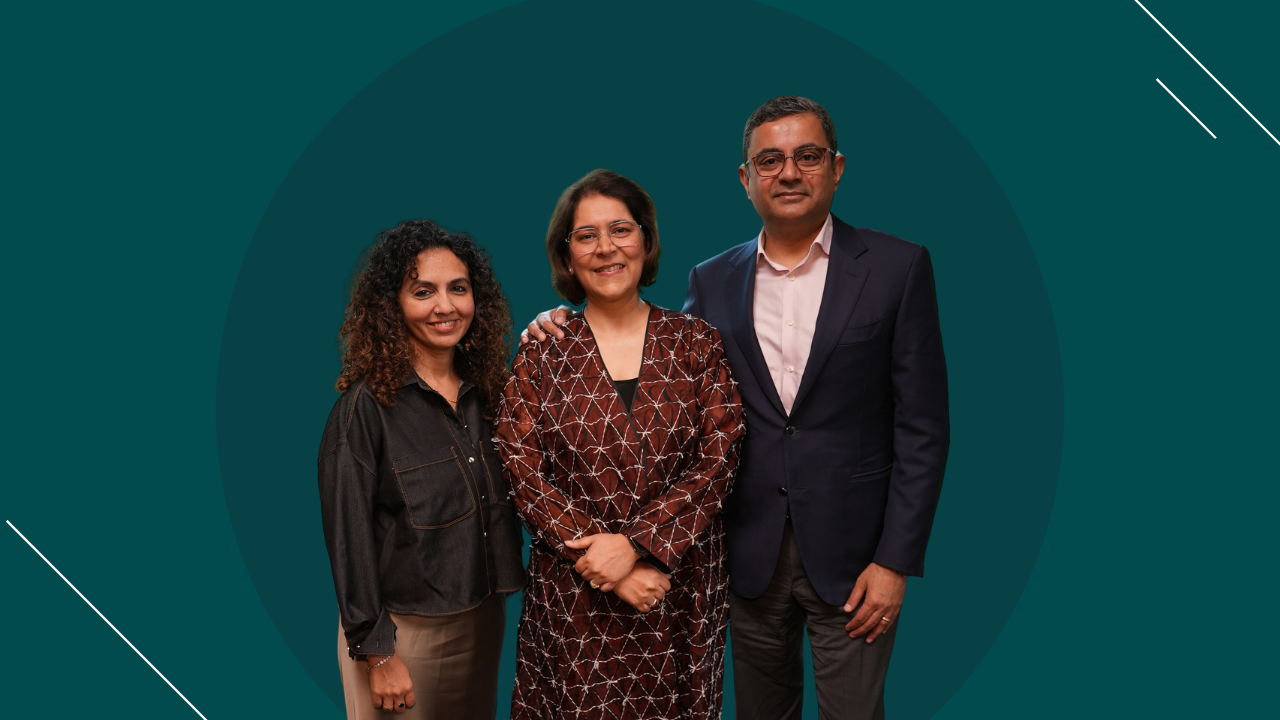



Key takeaways:
- Impact over optics — They argue that meaningful giving has little to do with headline donation figures, and everything to do with whether communities are actually better off.
- A legacy built on proximity, not distance — the Panda family's giving traces back to their company's earliest days in Odisha, where community investment grew out of direct, decades-long presence rather than remote grantmaking.
- Patience as strategy — the couple frame slow, responsibility-driven giving as a deliberate choice, not a limitation, pushing back on the pressure for quick, visible wins.
"What does it really mean to give back? And how much is actually enough?" These are the questions Ms. Shaifalika Panda and Mr. Subhrakant Panda sit with in their conversation with EdelGive Foundation CEO Ms. Naghma Mulla on the podcast Give It A Go — and their answer resists the easy version most donors reach for.
The Pandas' philanthropic story begins earlier than most CSR narratives. “It’s not about giving its about enabling lives,” says Shaifalika Panda. It grew out of Indian Metals & Ferro Alloys (IMFA), the company Mr. Panda now leads, and its decades of operating in and around Odisha's mining communities.
That proximity - living alongside the same villages a business depends on - is core to how the family frames giving: not a checkbox activity layered on top of a balance sheet, but a responsibility that comes from being embedded in a place. “If you want to bring in systemic change you have to work in an organized fashion, a lot of us are working in our areas of passion, but a lot of us are working in silos,” says Ms. Panda.
The Bansidhar and Ila Panda Foundation (BIPF), which Ms. Panda leads, was built on that same premise: that community investment works best when it responds to what a place actually needs, not what looks good in a report. She says, “It’s the solutions we make sure we co-create with them; we make them participants in that journey, and we make them take ownership of that change.”
BIPF, founded in 2011 works in close collaboration with the central and state government across five core areas of healthcare, livelihood, education, water & sanitation, and advocacy and appreciation. The foundation has built its approach on community ownership and behaviour change, focusing on women and young people. It spans 200 villages across 5 districts in Odisha.
That grounding shapes how they talk about pace, too. Rather than chasing the kind of quick, quantifiable wins that make for good press, the Pandas describe their approach as deliberately patient - the sort of giving that measures success over years and relationships, not quarters and press releases – being in it for the “long-term”.
It's a framing that treats "beyond charity, beyond optics" not as a slogan but as an operating principle: doing the harder, slower work of building trust in a community before claiming impact. When discussing how he was brought up to view the balance between business and social responsibility, Mr. Panda said, “leverage your success in business to give back to charity, leverage that to improve people’s lives”
The throughline is a quiet challenge to how philanthropy usually gets discussed in India - less about how large a cheque is, and more about whether the giver is willing to stay long enough, and close enough, to know if it actually worked.