
A Climate Funding Model Designed In India, Built For The World
EdelGive's GROW+ model shows how climate resilience and social impact funding can start with India's grassroots NGOs — and why the world should take note.
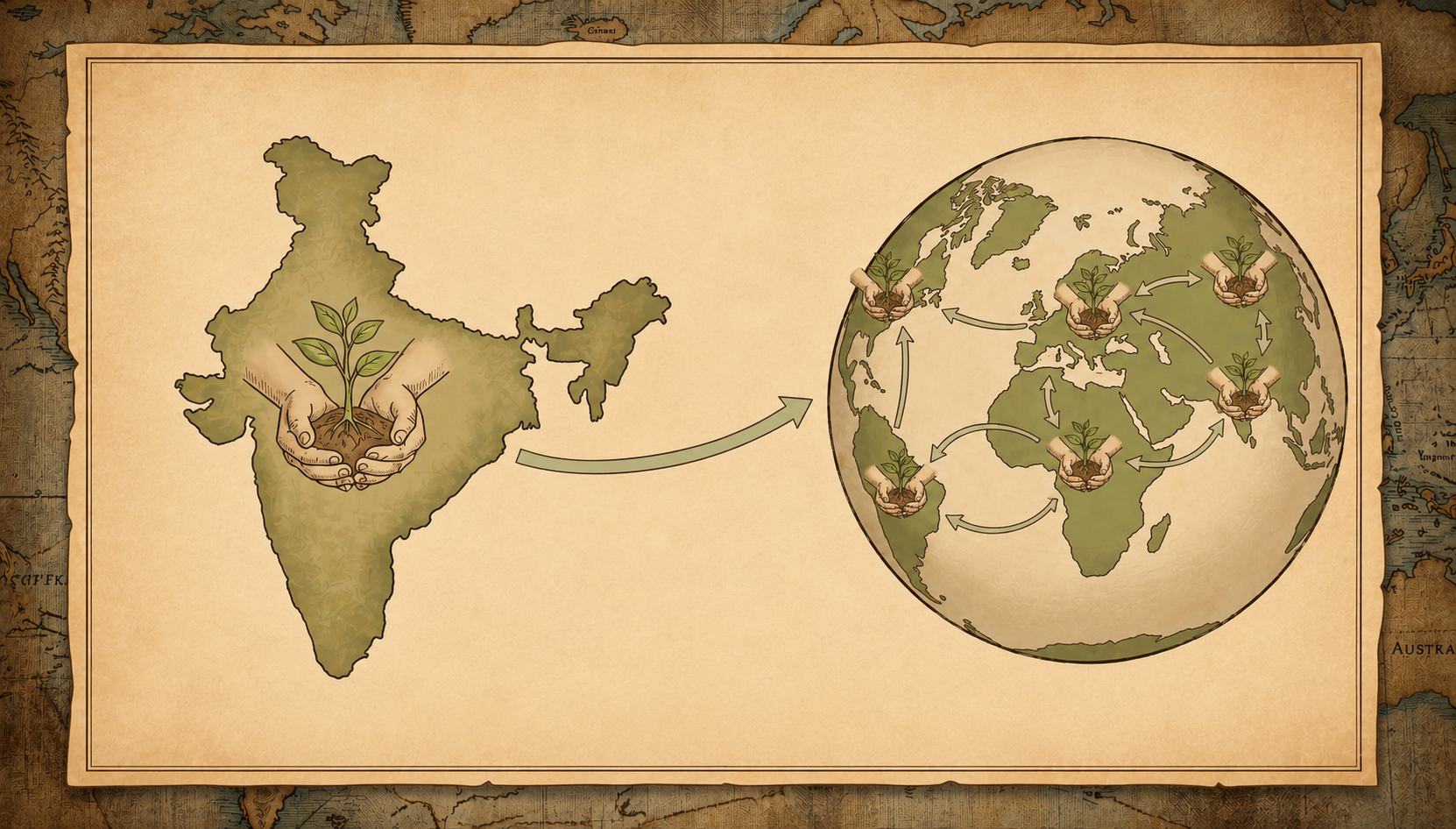



The most important climate work is often the least visible. Global conversations tend to centre on big pledges and ambitious targets, but when floods, droughts, or crop failures actually hit, it's grassroots organisations that show up first — the ones who know the villages, the livelihoods, and the people most likely to be left behind.
There's a story we keep coming back to: a non-profit that had spent nearly four decades helping smallholder farmers adapt to a changing climate and supporting women's livelihoods across 600 villages, where most families live on around $0.32 a day. When Covid hit, those communities turned to it for help — but it couldn't even pay its own stretched staff. That contradiction says everything about climate funding today: the institutions closest to a crisis are often the last to be resourced well enough to face it.
It's not a small problem. Nearly 80% of Indian NGOs struggle to fund their own organisational development, even as extreme rainfall events here have risen 1.4 times in five years and heatwaves cost the country an estimated $194 billion in lost income in 2024 alone.
It's why we built GROW the way we did — pooling capital from 37 funders to back 100 grassroots non-profits, simply to help them function. What followed surprised even us: those NGOs went on to raise $15.9 million in additional funding, and 93% built a leadership pipeline for the first time. GROW+ takes that instinct further, adding a climate lens across six landscapes, because a desert district and a Himalayan village don't face climate change the same way.
The future of climate action will depend on how well we support the institutions closest to it. Effective philanthropy isn't just about funding solutions — it's about strengthening the people and ecosystems that make them possible.
Read the full article to see how an India-designed model is reshaping climate funding for the world: https://foundations-20.org/climate-funding-india/